


In Situ Plasma DRIFTS Cell
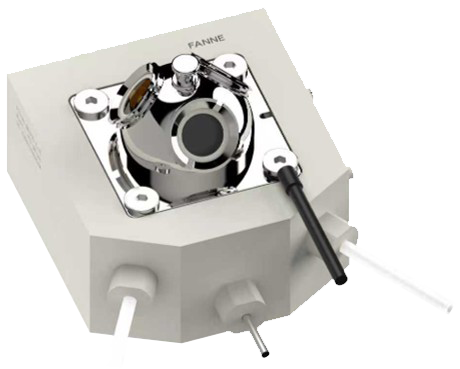
01 | Overview
The in situ plasma DRIFTS cell combines a non-thermal plasma reaction environment with diffuse reflectance infrared spectroscopy, enabling real-time monitoring of surface adsorbates, key intermediates, and product evolution under true discharge conditions. It provides direct insight into both gas-phase activation and catalyst surface reactions during plasma catalysis.02| Key Benefits
Conventional ex situ analysis often cannot capture the true reaction state under working conditions. This platform enables in situ investigation of plasma–catalyst interactions, helping researchers identify key intermediates, map reaction pathways, and better understand dynamic reaction mechanisms. It is a valuable tool for catalyst development, process optimisation, and mechanistic studies.03 | Applications
The system is suitable for a wide range of gas–solid reaction systems, including CO2 hydrogenation, CO hydrogenation, methane activation, ammonia synthesis, VOC abatement, and plasma–thermal catalytic coupling reactions. It is widely used in research on small-molecule activation, pollutant conversion, low-carbon fuel synthesis, and multi-field catalytic processes.In Situ Plasma-Themal DRIFTS Cell
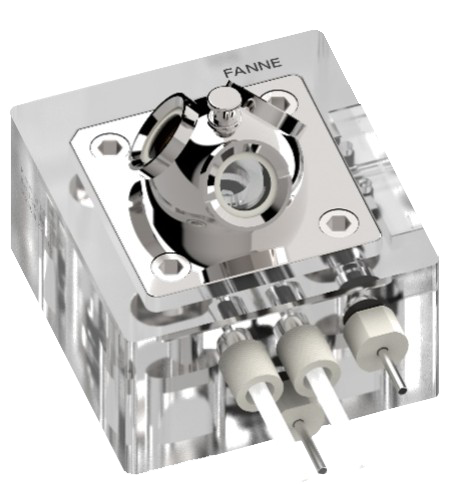
01 |Overview
The in situ plasma-thermal DRIFTS Cell integrates a non-thermal plasma reaction environment, temperature control, and diffuse reflectance infrared spectroscopy into a single platform. It enables real-time monitoring of surface adsorbates, key intermediates, and product evolution under true reaction conditions, providing direct insight into catalyst surface processes during plasma–thermal catalytic reactions.02 |Key Benefits
Unlike conventional in situ infrared systems designed mainly for thermal catalysis alone, this platform allows researchers to investigate the synergistic effects of plasma and heat within one reaction environment. It helps identify key intermediates, clarify reaction pathways, and evaluate how temperature and discharge conditions influence surface chemistry. The system provides valuable support for catalyst development, reaction optimisation, and mechanistic studies of coupled reaction systems.03 |Applications
The system is suitable for a wide range of gas–solid reaction systems, including CO2 hydrogenation, CO hydrogenation, methane activation, ammonia synthesis, VOC abatement, and other plasma–thermal catalytic coupling processes. It is widely used in research on small-molecule activation, pollutant conversion, low-carbon fuel synthesis, and multi-field catalytic processes.
